


 Loading...
Synthesis
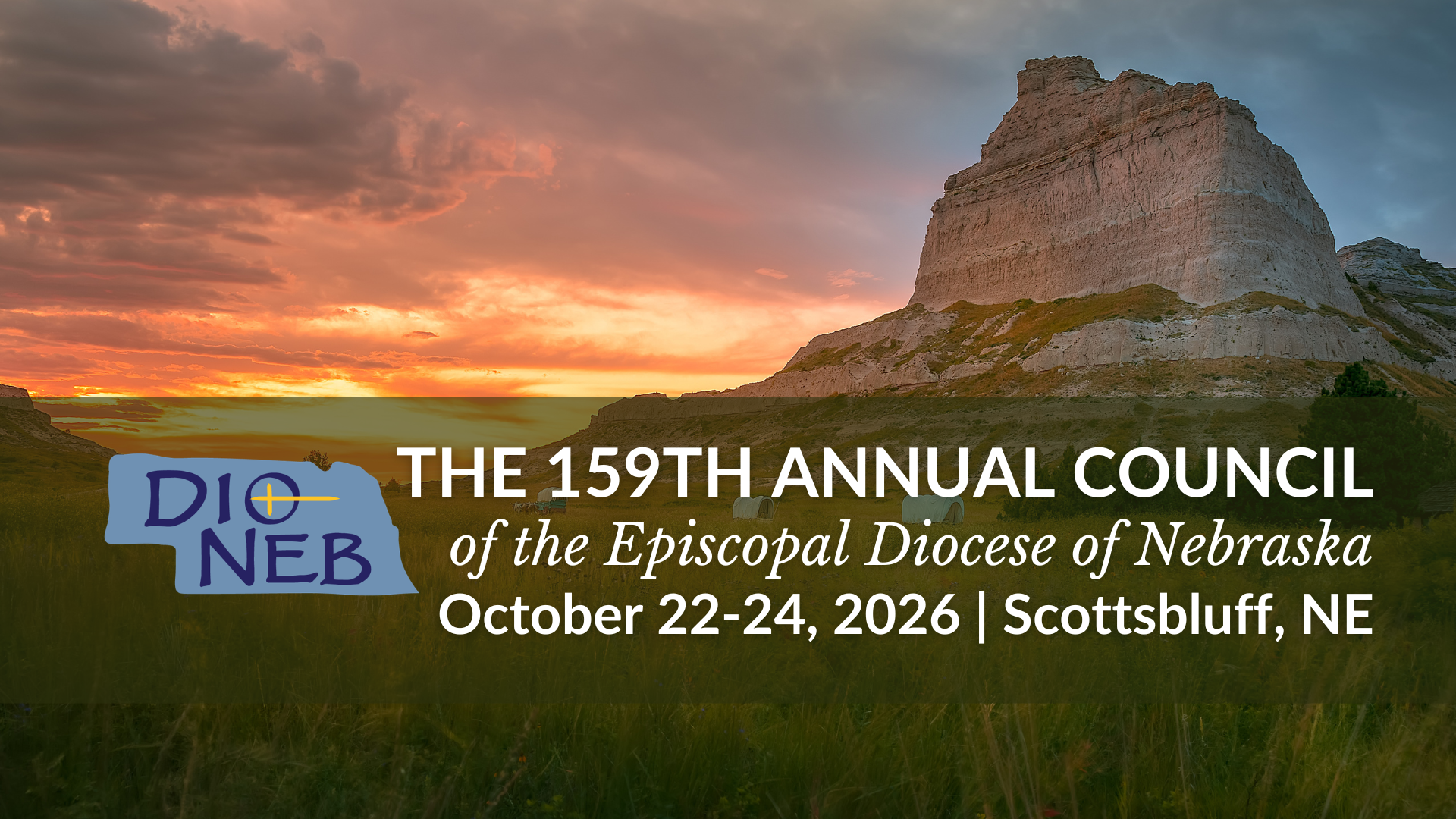
The site follows the Council journey in sequence: learn about the event, prepare, register, travel and lodge, take part in the business and worship, and be present for the program. The page-1300742 page is the hub, and the other pages cover specific tasks. All of them serve the episcopal-diocese-of-nebraska as it gathers in annual assembly.
Governance and preparation. The page-1300752 formally summons Council. Parishes then submit delegates and necrology names (page-3187678), complete page-3187679, and register (page-1300997). Together these establish who is seated to vote. page-1300751 and page-3190167 show what those delegates will decide: elections and legislative resolutions.
Logistics. Because the Council meets in Gering and Scottsbluff, the page-1300746, page-1300744, and page-3192584 work together. Lodging requires booking directly with the hotels, and the map and schedule help attendees move between venues. page-3178548 extends the event to vendors.
Formation and fellowship. The page-3189312 page, along with the optional Thursday fellowship and worship and the festival activities in the schedule, shows that Council combines business with worship, learning, and community. The log shows frequent revisions, especially to the schedule and forms, so timely updates matter. See site-goals for the guidance that shapes this site.